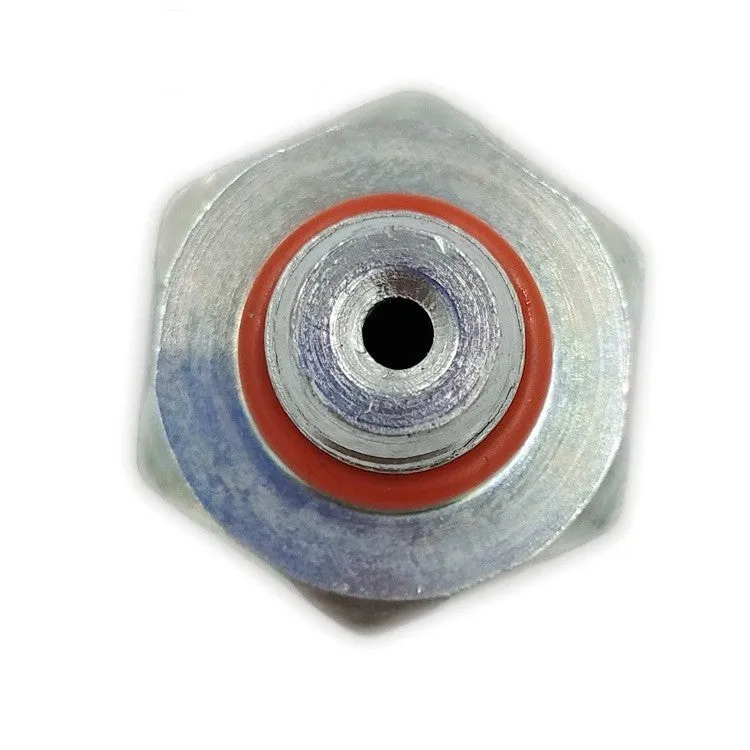
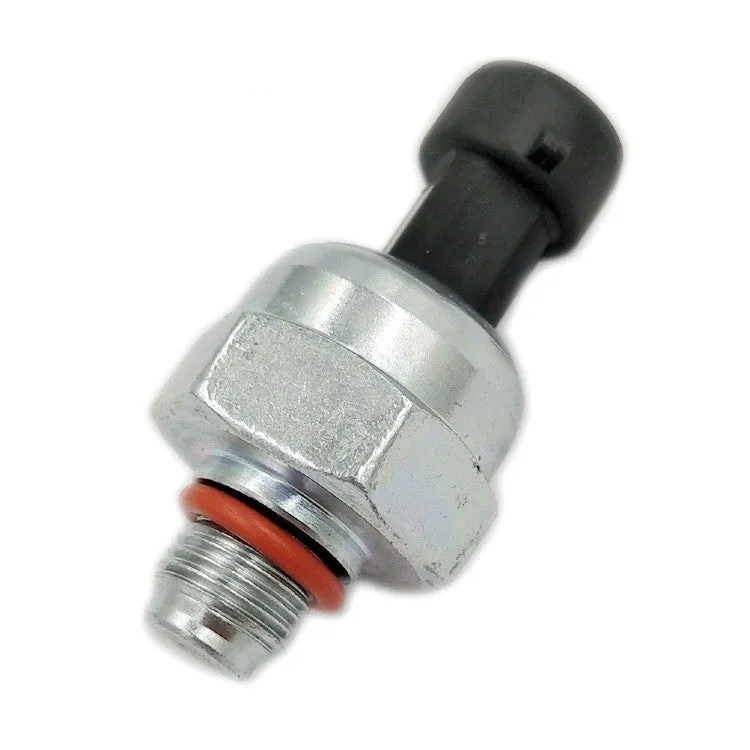
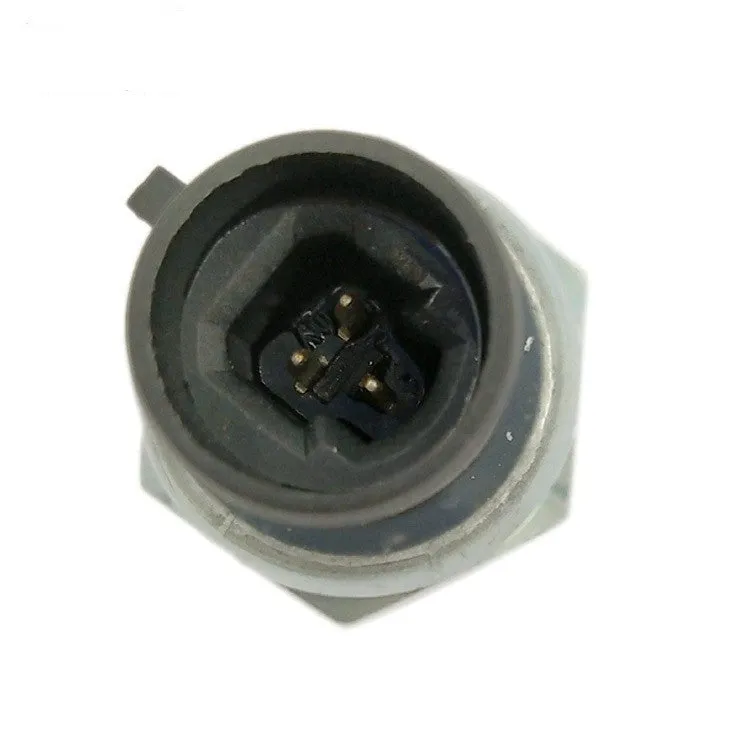
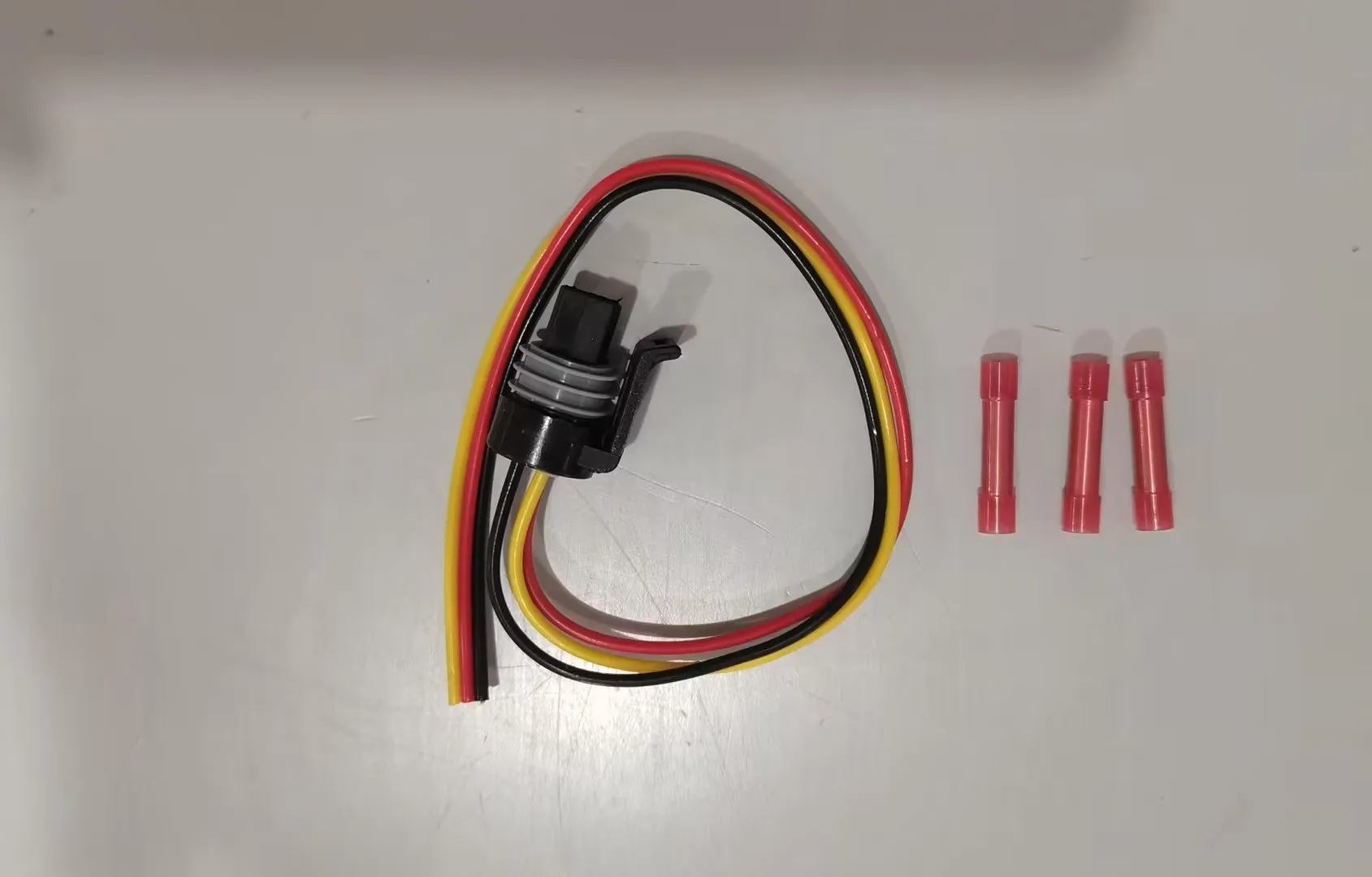
Ford vehicle oxygen sensor replacement component F6TZ-9F838-A for F4 and F6 models, designed to detect exhaust oxygen levels, includes connecting cable and sensor unit in a single set with picture colour reference for clear identification.


Ford vehicle oxygen sensor replacement component F6TZ-9F838-A for F4 and F6 models, designed to detect exhaust oxygen levels, includes connecting cable and sensor unit in a single set with picture colour reference for clear identification.
Ford F6TZ-9F838-A Oxygen Sensor: Direct Replacement for F4 and F6 Model Vehicles
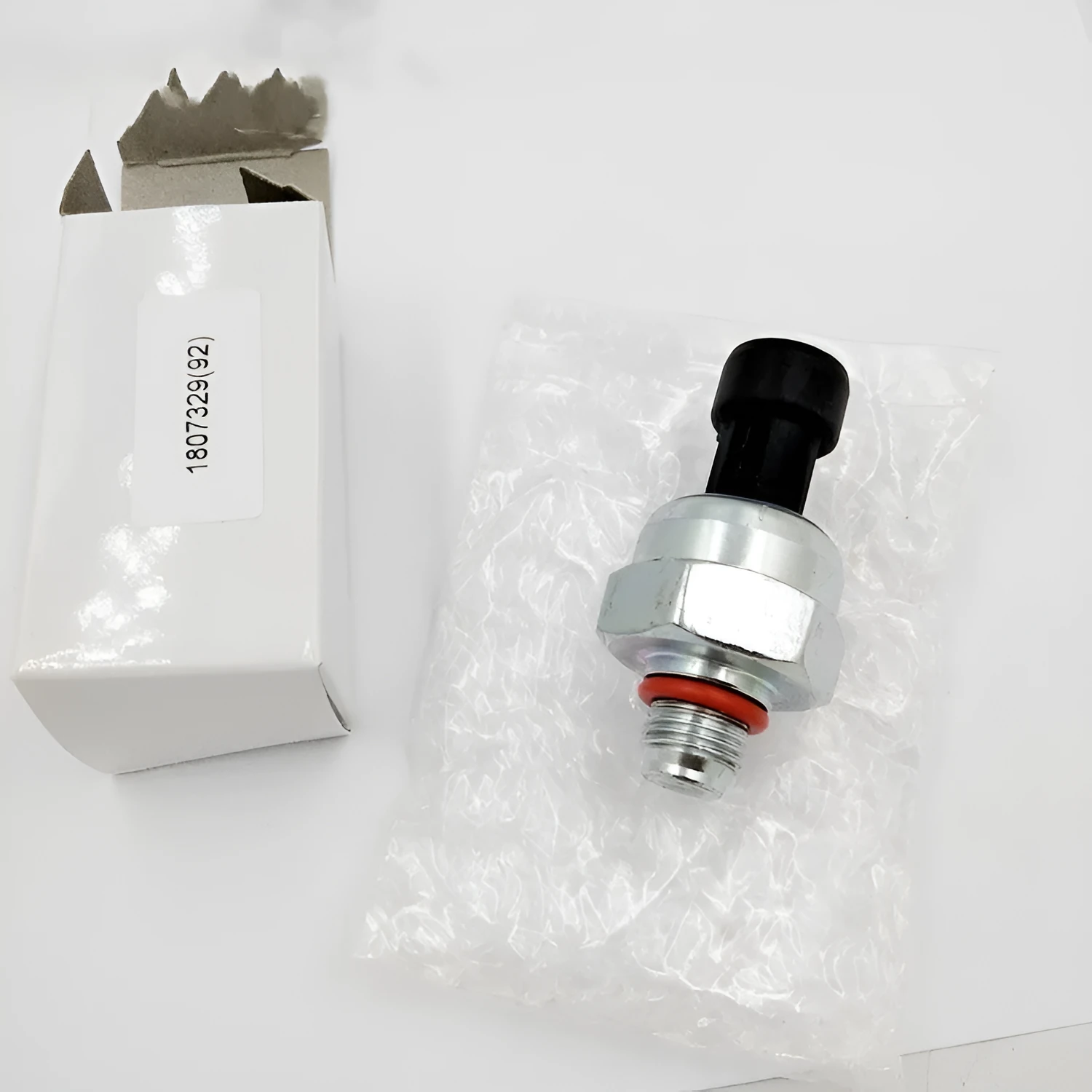
When your Ford vehicle's exhaust gas sensor requires replacement, the F6TZ-9F838-A component offers a precisely matched solution for F4 and F6 models. This part is engineered to fulfil the specific function of monitoring the oxygen levels within the vehicle's exhaust system, a crucial parameter for the engine's management computer. By providing accurate data on the air-fuel mixture post-combustion, it supports optimal engine performance and helps maintain emission standards. The product is supplied as a complete and ready-to-install set, designed to streamline the repair process and restore your vehicle's sensor system to its intended operation.
Features and Construction
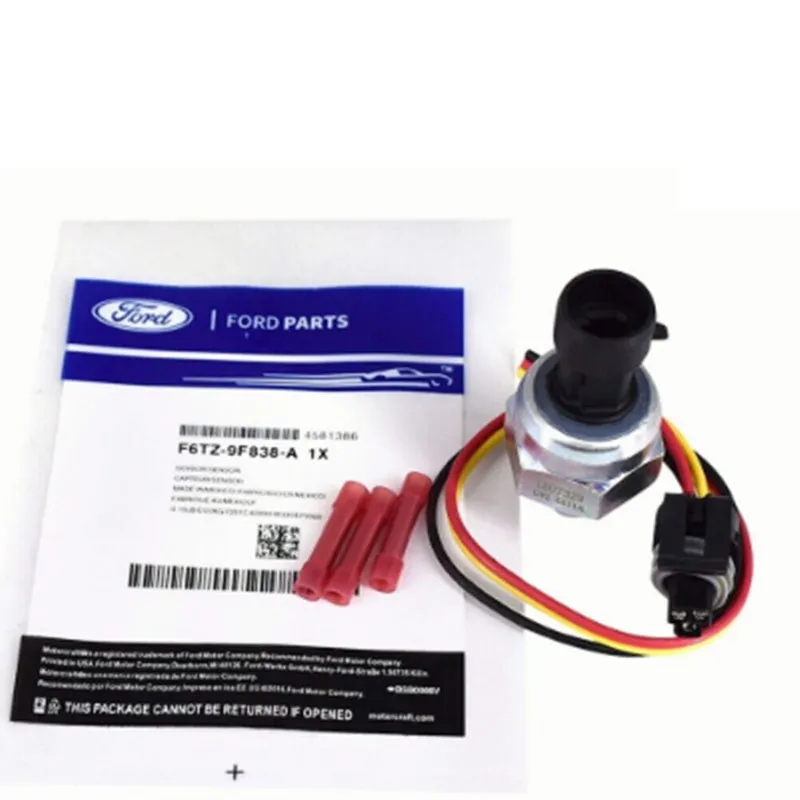
The F6TZ-9F838-A is defined by its application-specific design and the practical completeness of its supplied package.
Model Compatibility and Fit
This sensor is designated as a direct-fit replacement part for Ford vehicles, specifically those falling under the F4 and F6 model codes. This targeted compatibility ensures it is engineered to match the original sensor's electrical characteristics, thread specifications, and mounting position, facilitating a correct installation without modification. The part number F6TZ9F838A serves as the precise identifier for ordering and verification against your vehicle's requirements.
Complete Package and Contents
You receive a full set containing the primary pressure sensor unit and its necessary connecting electrical cable. This eliminates the need to source a separate harness or connector, reducing potential compatibility issues and simplifying the parts procurement process. The inclusion of a 'picture colour' reference in the listing provides an additional visual aid to confirm the physical appearance of the component you are ordering against your existing part.
Uses and Placement

This component serves a specific, technically defined role within the vehicle's exhaust and engine management systems.
Automotive Diagnostic and Regulation Function
The primary function of this oxygen sensor is to detect the proportion of oxygen present in the vehicle's exhaust gases. This real-time data is communicated to the engine control unit (ECU), which uses it to continuously adjust the fuel injection for an optimal air-fuel mixture. Accurate sensor operation is therefore integral to achieving efficient combustion, which can influence fuel economy, engine smoothness, and the vehicle's ability to pass emissions tests.
Repair and Maintenance Application
This product is intended for use when the original oxygen sensor on a compatible Ford F4 or F6 model has failed, become degraded, or requires scheduled replacement. It is a critical repair part for addressing dashboard warning lights related to the emissions system (e.g., O2 sensor codes) and for maintaining the vehicle's performance and environmental compliance. Installation is a standard garage or experienced DIY task involving the exhaust system.
Benefits and Buying Value
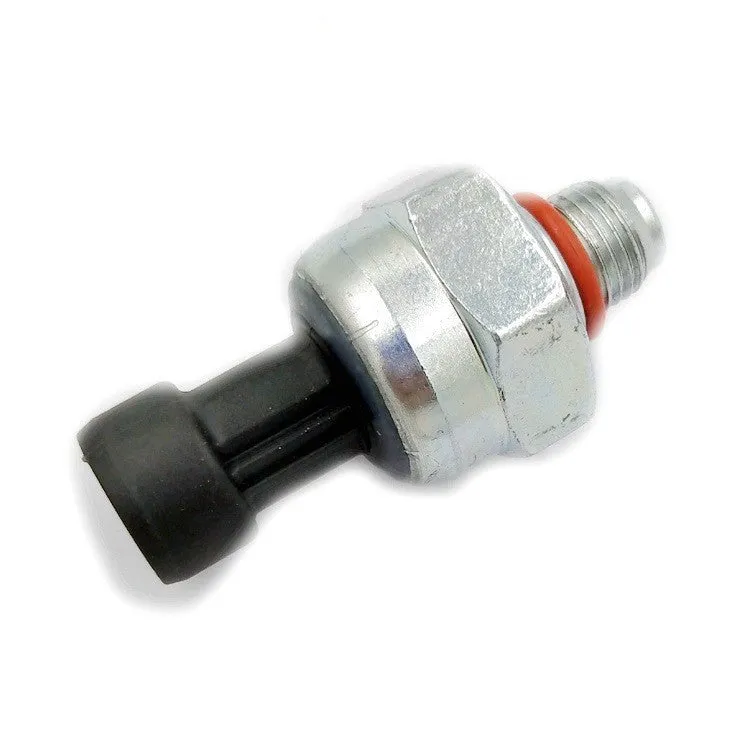
The value of this part lies in its direct application, completeness, and role in vehicle maintenance.
Targeted Solution and Clear Identification
The clear specification for Ford F4 and F6 models removes guesswork regarding fitment, helping you select the correct part with confidence. The provided picture colour acts as a straightforward visual check, further reducing the risk of ordering an incorrect component. This focused compatibility is a key advantage over generic sensors that may require adapters or lack precise calibration for your vehicle.
Why Choose This Product
Choosing the F6TZ-9F838-A sensor provides a purpose-designed replacement that aims to restore a specific vehicle system to its factory-intended operation. Its value is in its defined compatibility and the practical inclusion of both the sensor and its cable, offering a consolidated solution. For owners of the specified Ford models, it represents a logical choice for addressing a failed oxygen sensor with a component built for that exact application.