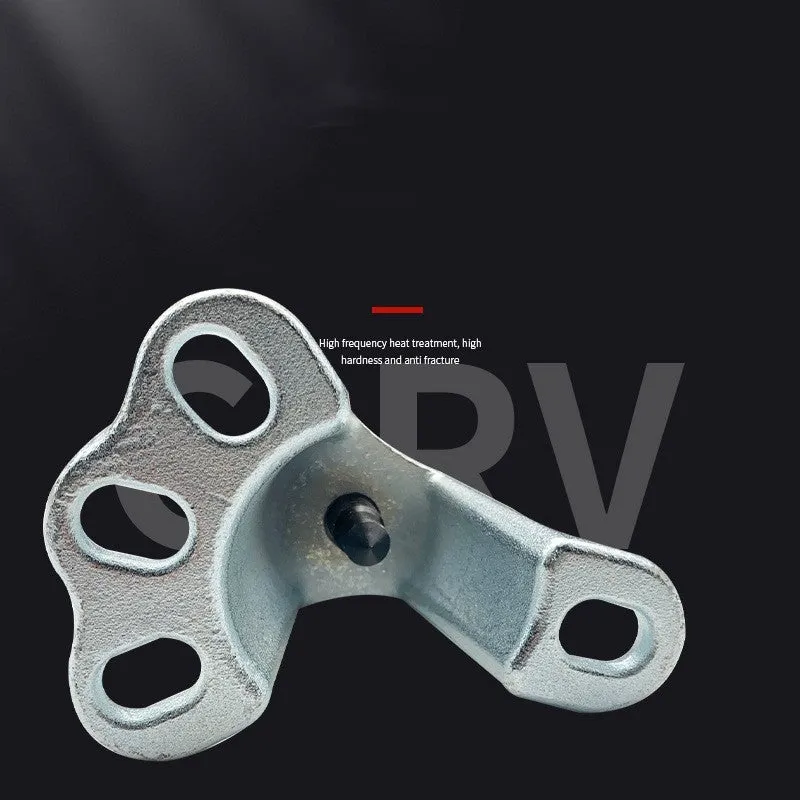
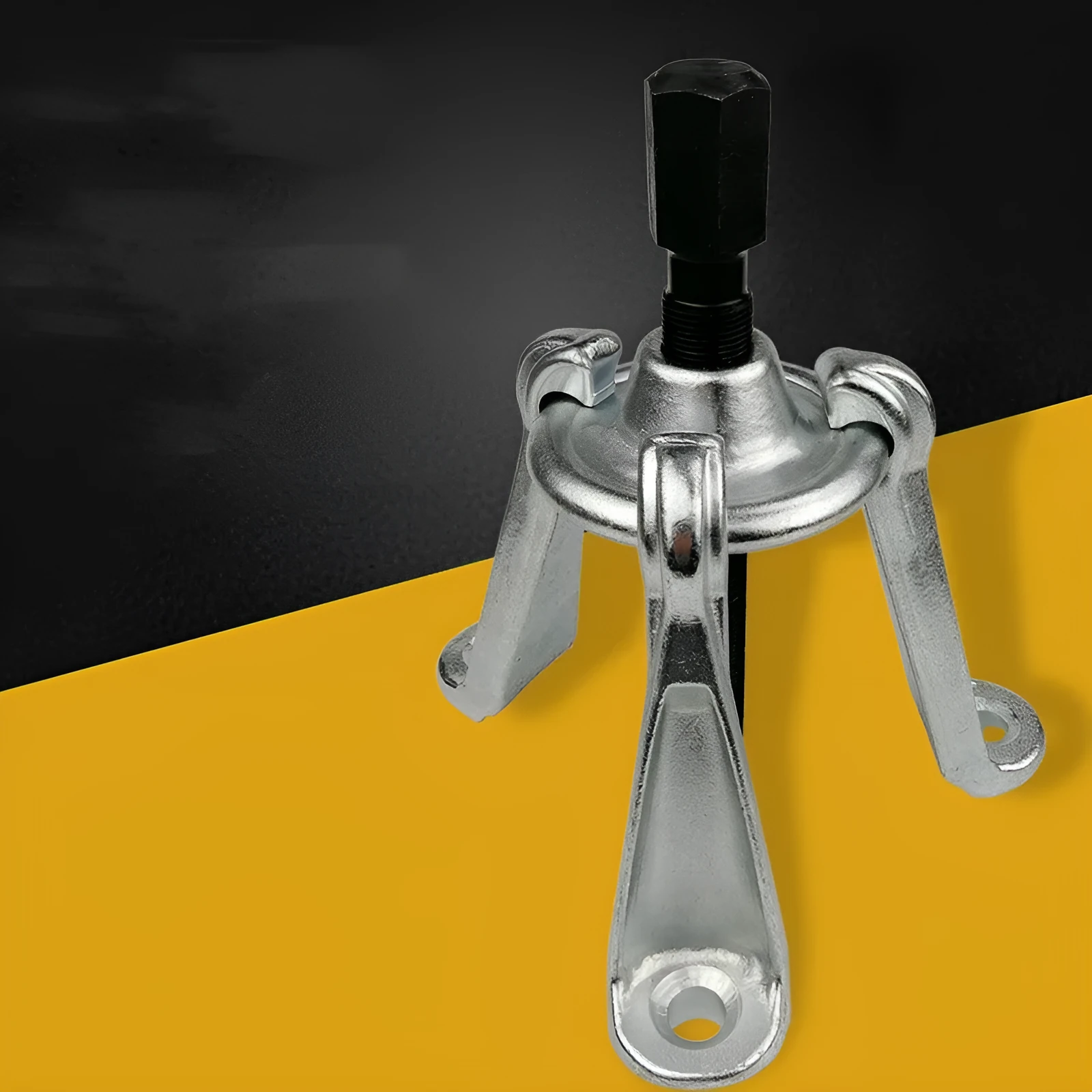
Electric tricycle and motorcycle brake drum removal tool kit with chrome vanadium steel construction for hub disassembly - choose between manual puller for battery cars/tricycles, manual puller for cars, or hydraulic puller for cars


Electric tricycle and motorcycle brake drum removal tool kit with chrome vanadium steel construction for hub disassembly - choose between manual puller for battery cars/tricycles, manual puller for cars, or hydraulic puller for cars
Specialist Brake Drum Removal Tool Kit for Electric Tricycles, Battery Cars and Passenger Vehicles
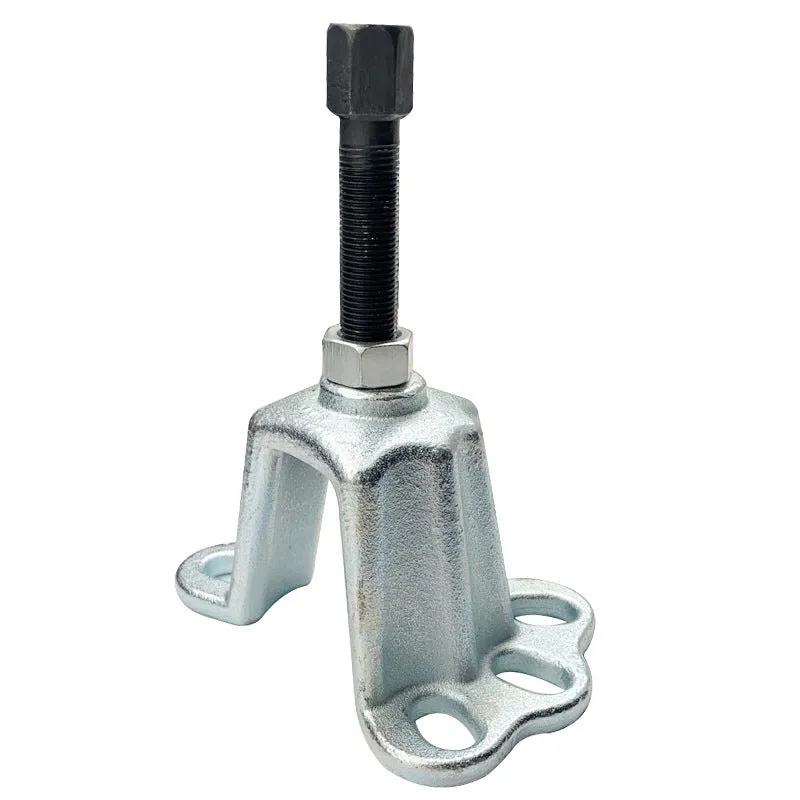
This professional-grade toolset addresses a common challenge in vehicle repair: the removal of seized or tightly fitted brake drums and wheel hubs. Designed for use in garages and workshops, it provides a mechanical advantage to separate these components without resorting to improvised methods that can damage expensive parts. The kit is not a general-purpose tool but a focused solution for mechanics and skilled DIY enthusiasts working on specific vehicle types. By offering three distinct configurations, it allows the user to select the tool that matches their most frequent jobs, whether maintaining an electric delivery tricycle, servicing a family car, or working on light commercial vehicles.
Features and Construction
The core value of this tool lies in its dedicated design and material choice. Unlike generic pullers, each variant is specified for particular vehicle categories, reducing the risk of improper fit and potential damage. The construction focuses on delivering the necessary force for the application, whether through manual leverage or hydraulic pressure. This section details the build and the practical considerations for each tool style available in the range.
Material and Build
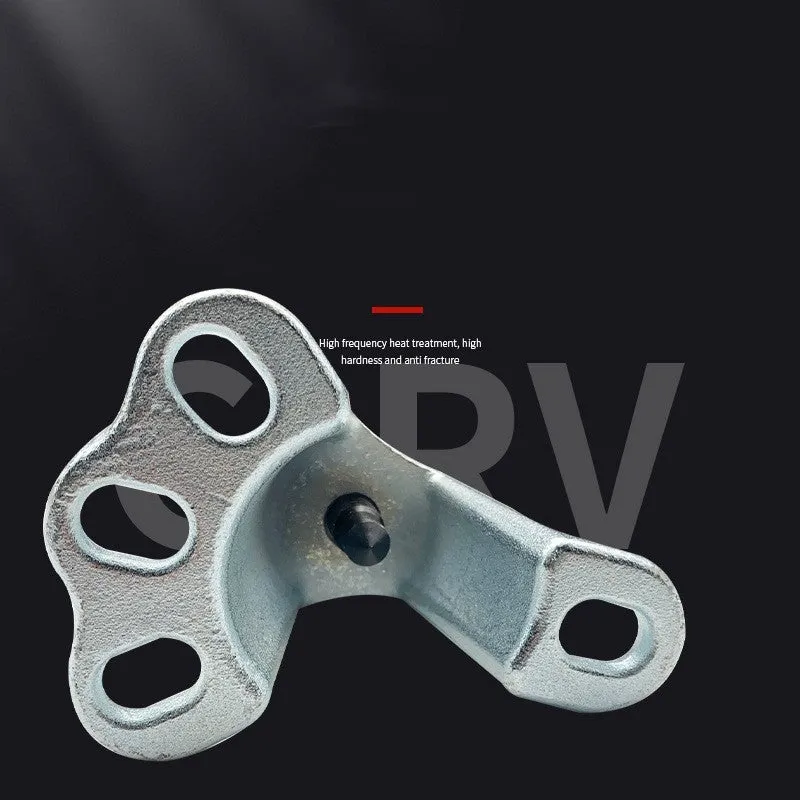
The tool is fabricated from chrome vanadium steel, an alloy commonly used in high-quality hand tools like sockets and wrenches. This material is selected for its favourable balance of toughness and hardness, allowing it to withstand the high tensile and torsional stresses encountered during pulling operations. It resists bending under load and helps prevent the jaw threads from stripping when significant force is applied. The use of this material indicates a build intended for repeated professional or serious DIY use rather than single-project disposability.
Size and Practical Fit
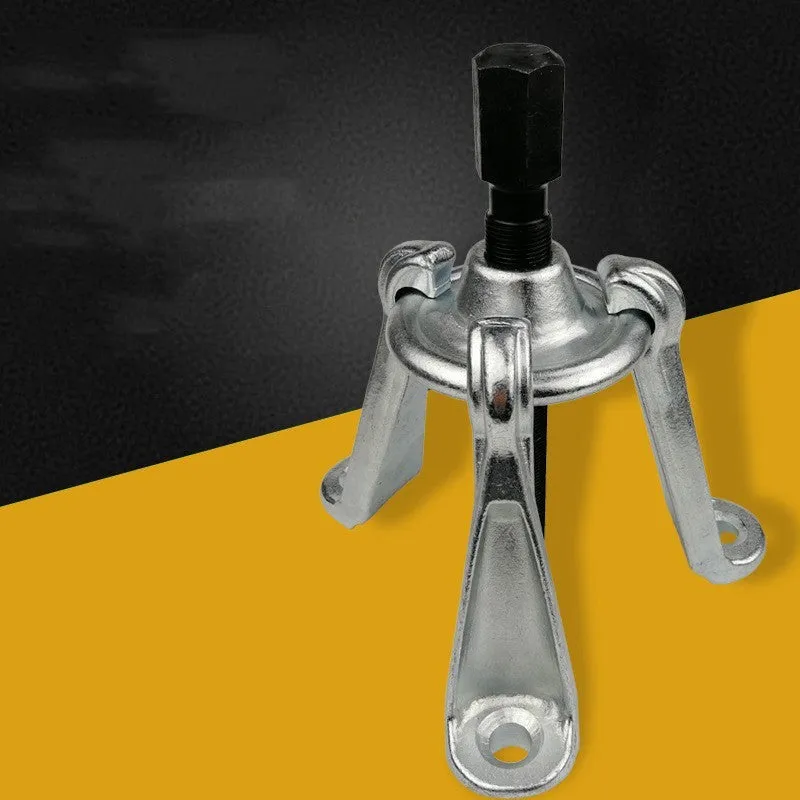
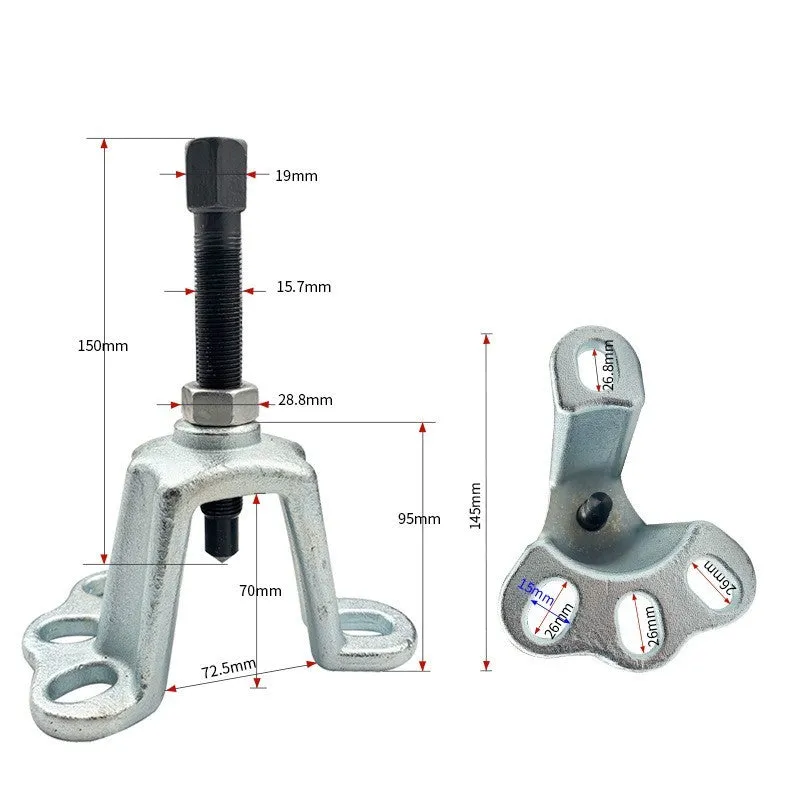
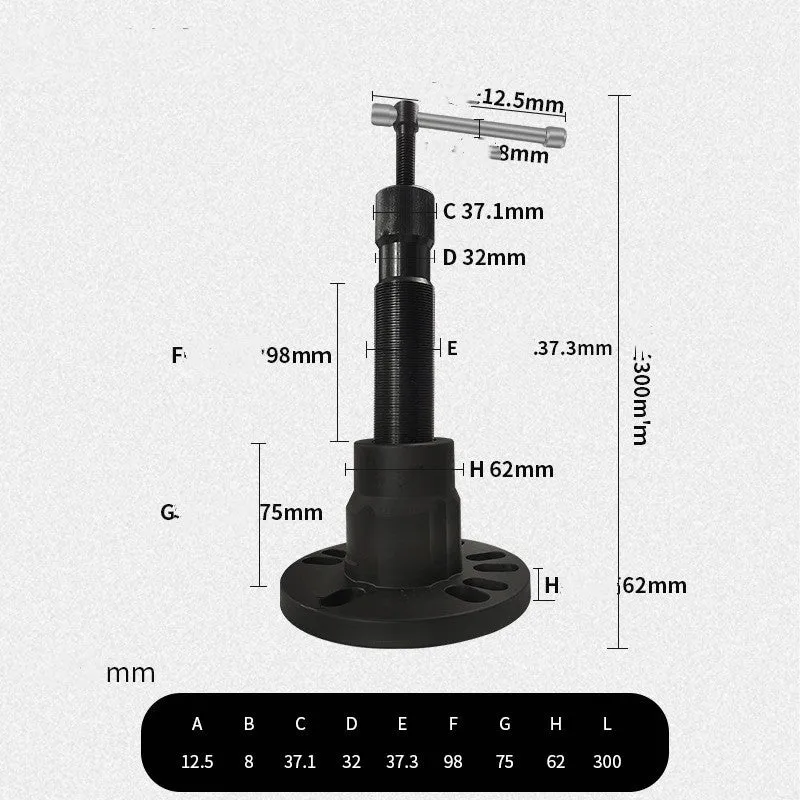
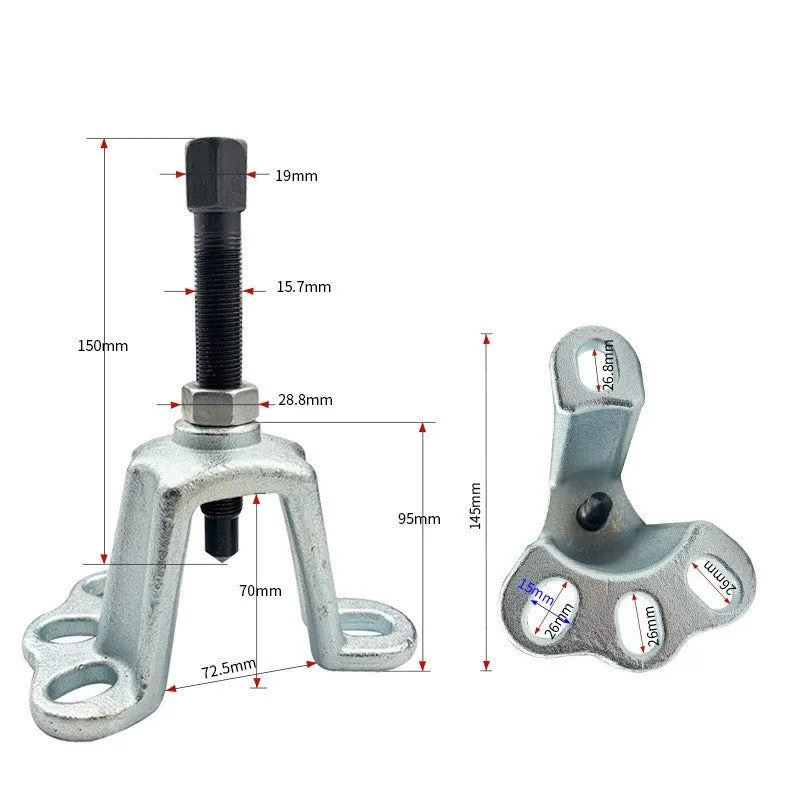
The source information does not provide specific physical dimensions, weights, or detailed jaw sizes for the tools. The primary fit consideration is the vehicle application specified for each style. Style A is engineered to interface correctly with the wheel hubs and brake drum configurations typical of electric tricycles and smaller battery-powered vehicles. Styles B and C are designed for the different hub dimensions and access points found on standard passenger cars. Selecting the correct style (A, B, or C) is therefore the critical first step to ensure the tool will fit the workpiece correctly and function as intended.
Uses and Placement
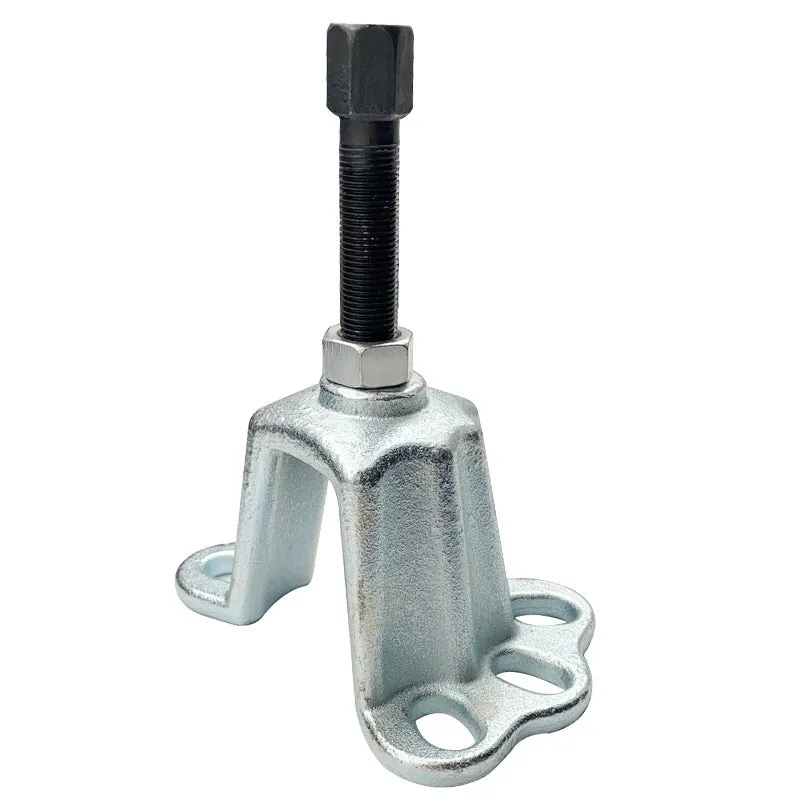
This toolset finds its place in environments where vehicle repair and maintenance are performed. Its utility is defined by the mechanical problem it solves rather than by aesthetic or multi-purpose functionality. Understanding the specific scenarios for each tool variant helps in making an informed purchase and ensures the tool is used safely and effectively for its designed purpose.
Event or Professional Use
In a professional garage or workshop setting, this tool streamlines a specific, often time-consuming task. The hydraulic puller (Style C) offers a significant force advantage for cars with severely corroded or over-torqued components, potentially saving labour time and reducing physical strain on the technician. The manual pullers (Styles A & B) provide a reliable, equipment-light solution for jobs where a hydraulic system is not required or not available. For businesses servicing fleets of electric delivery tricycles, Style A becomes a relevant part of the standard tool inventory for brake and bearing work.
Everyday Home Use
For the skilled home mechanic with the necessary knowledge of brake systems and safe working practices, this tool enables more complex repairs. It allows for the proper disassembly of hubs for bearing replacement, brake shoe renewal, or hub seal changes on personal vehicles. The manual versions (A & B) are particularly suited to a home workshop where simplicity and reliability are valued over speed. It is essential that the user possesses the correct supporting equipment, such as stable jack stands and appropriate safety gear, and follows vehicle-specific repair procedures.
Benefits and Buying Value
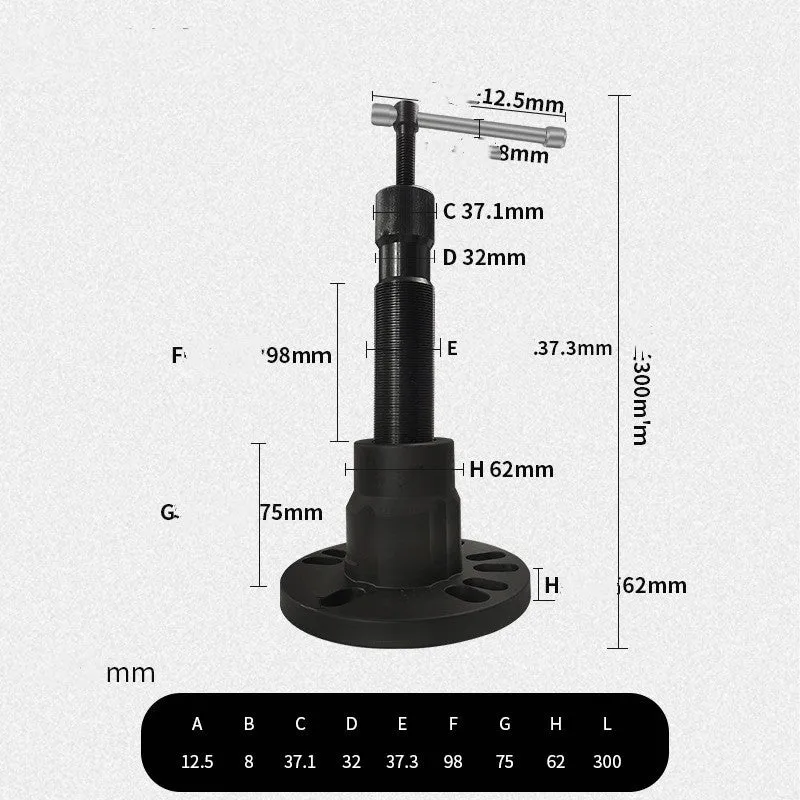
The value proposition of this toolset is rooted in solving a precise mechanical problem with the appropriate equipment. It moves the task from being potentially difficult and damaging to being controlled and repeatable. The benefits are practical, relating to job feasibility, component protection, and tool longevity, rather than subjective or emotional gains.
Reuse and Low Maintenance
As a tool made from chrome vanadium steel, it is built for reuse across multiple jobs. Unlike disposable or single-use methods, a quality puller can be used for years. Maintenance is straightforward: keeping the tool clean, lightly oiled to prevent rust, and storing it in a dry place. The threads and moving parts should be inspected for wear or damage periodically. This reuse model contrasts with the cost and waste of damaging a hub or brake drum, which would require purchasing a new vehicle part.
Why Choose This Product
Choosing this product comes down to matching the tool to a specific and recurring need. If you regularly work on electric tricycles or small electric vehicles, Style A is the logical choice. For general car maintenance, the decision between the manual (Style B) and hydraulic (Style C) puller depends on the severity of the jobs you encounter and your budget. The key advantage is having a tool engineered for the task, which applies force correctly to minimise the risk of damaging the brake drum or hub flange—a common risk when using improvised levers, hammers, or generic pullers that don't fit correctly.