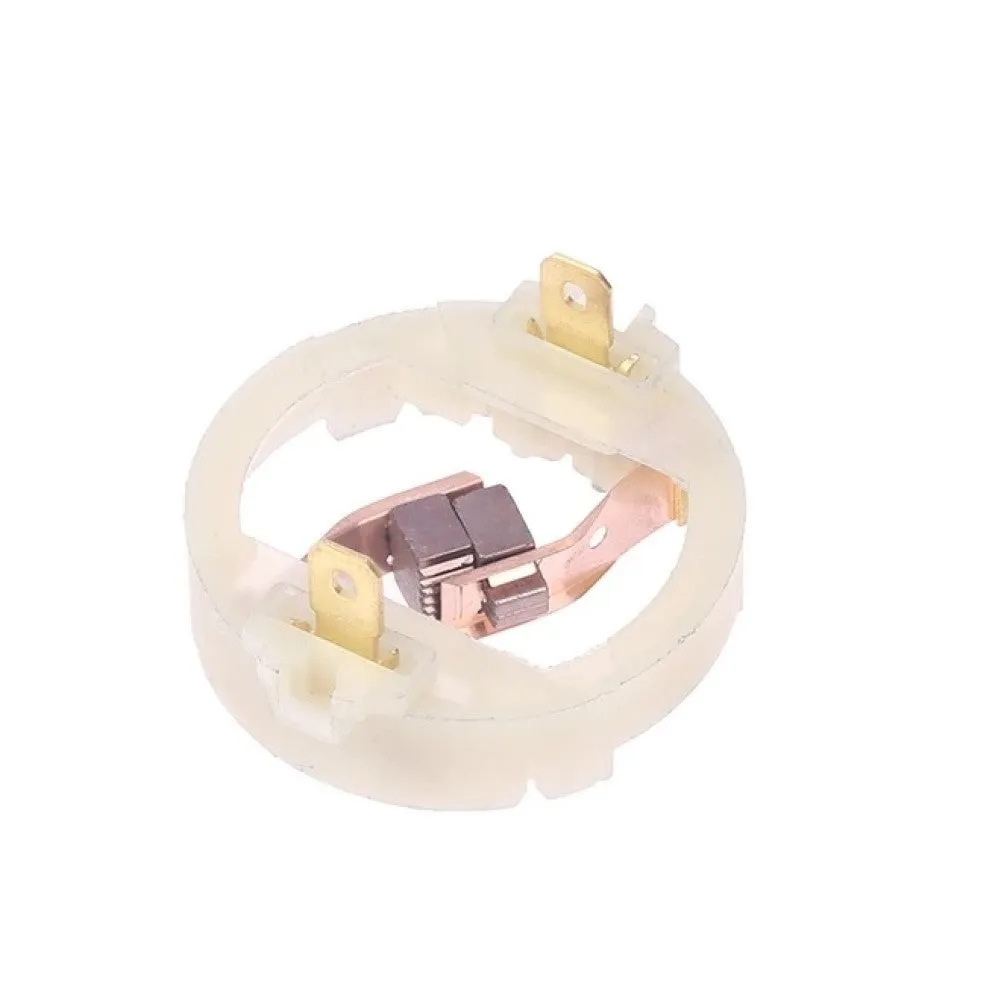
895 DC Motor Carbon Brush Holder End Cover Repair Parts suitable for 875 and 887 screwdriver models, a metal and graphite replacement part weighing 12g.


895 DC Motor Carbon Brush Holder End Cover Repair Parts suitable for 875 and 887 screwdriver models, a metal and graphite replacement part weighing 12g.
895 DC Motor Carbon Brush Holder End Cover Repair Part for 875 and 887 Screwdrivers
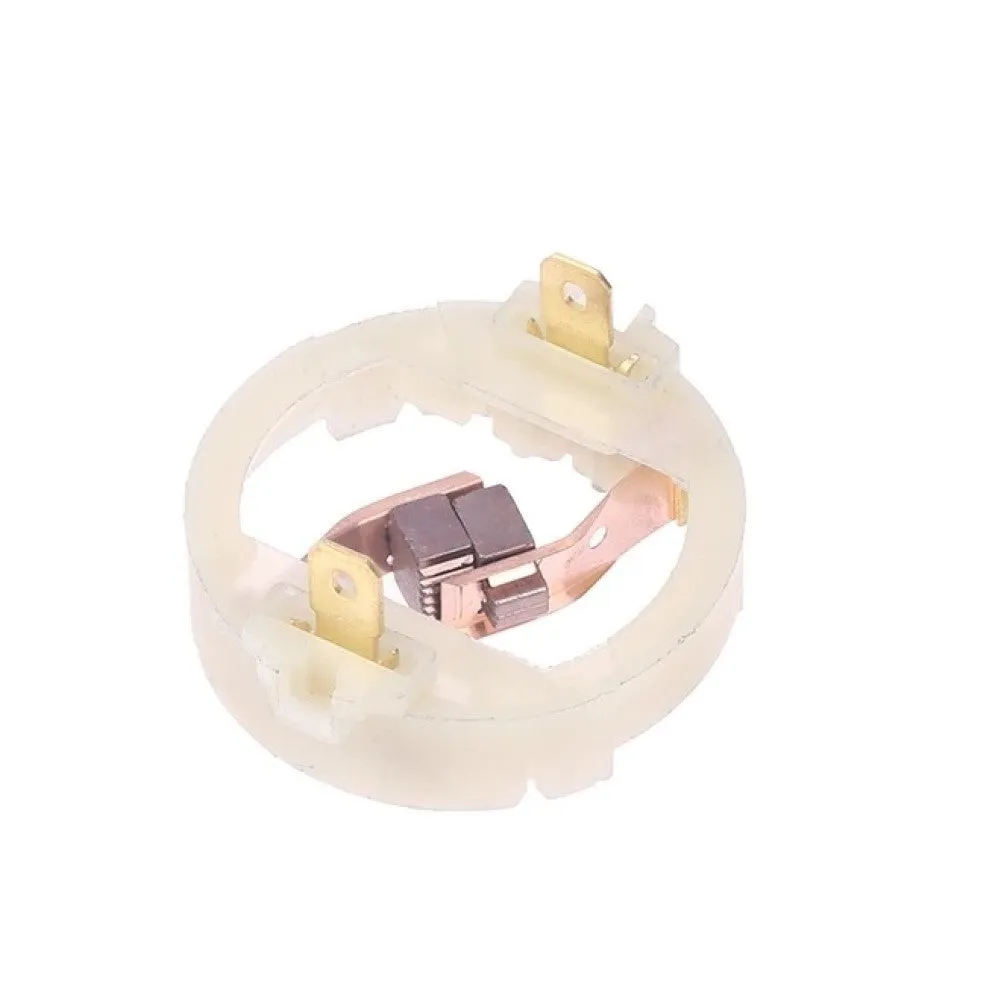
This specific repair component is designed to address a common point of wear in cordless screwdrivers: the carbon brush assembly within the DC motor. When the graphite brushes wear down or the holder becomes damaged, motor performance can degrade or cease entirely. This replacement carbon brush holder end cover offers a targeted solution for restoring function to models 895, 875, and 887 without requiring a full motor or tool replacement. Supplied as a single unit, it provides a practical option for users comfortable with basic tool maintenance or for professional repair technicians handling these specific models.
Features and Construction
This repair part is defined by its compatibility and material composition, focusing on restoring a critical electrical pathway within the motor. Its design is intended to match the original component's form and function in the listed screwdriver models.
Material and Build
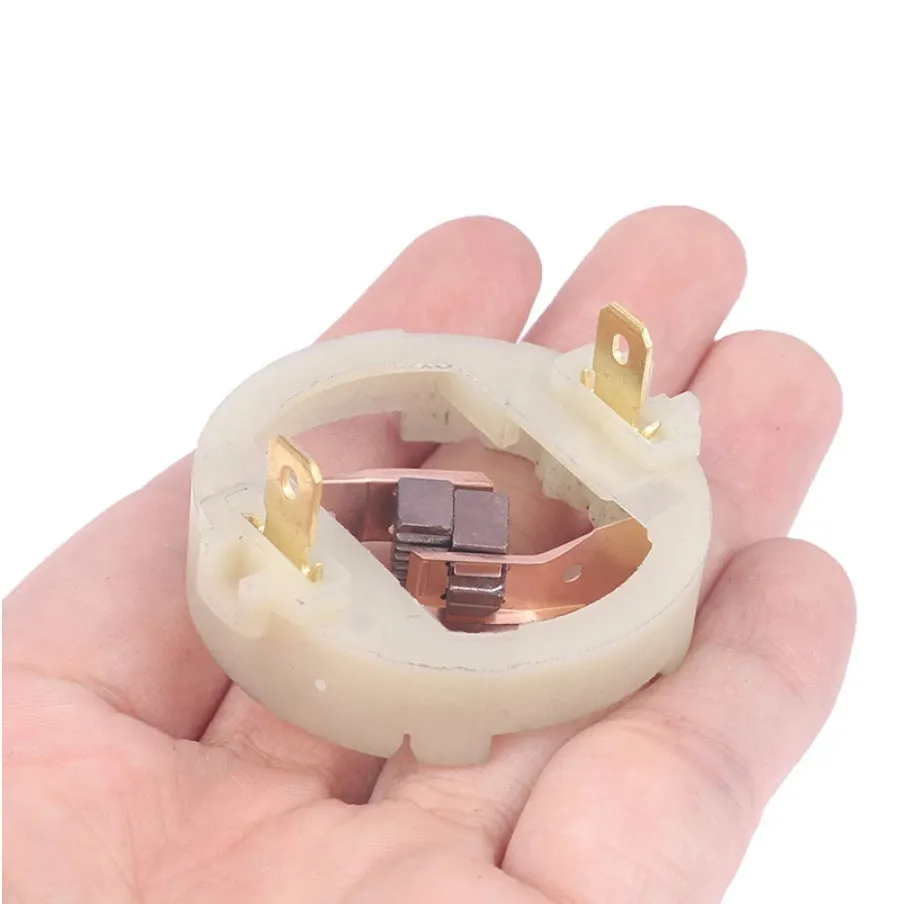
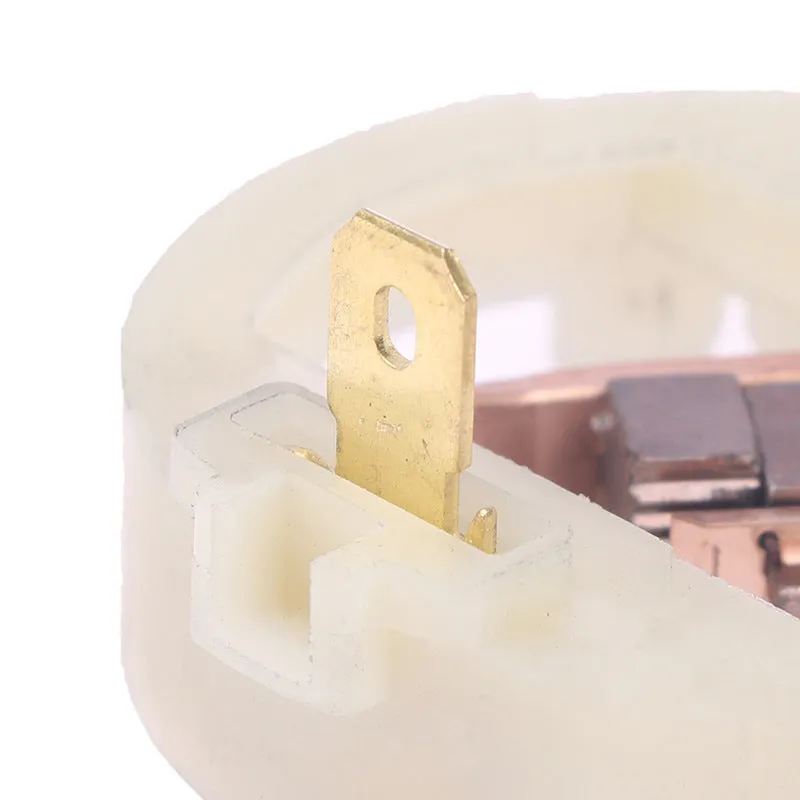
The holder combines two key materials: metal and graphite. The metal component forms the structural end cover and mounting frame, providing rigidity and secure attachment points within the motor housing. The graphite element constitutes the actual carbon brush, which is the consumable part that presses against the motor's spinning commutator to transfer electrical current. This material choice is standard for such applications due to graphite's conductive properties and self-lubricating wear characteristics.
Size and Practical Fit
The source information specifies a weight of 12 grams for the part, indicating its small, lightweight nature typical of internal motor components. It is engineered for precise compatibility with the 895, 875, and 887 screwdriver models. Users should verify their tool's model number before purchase to ensure correct fitment, as even minor dimensional variances can prevent proper installation and operation.
Uses and Placement

This part has a singular, well-defined purpose: to repair the DC motor in compatible screwdrivers. Its use falls into scenarios where motor performance has failed due to brush wear or holder damage.
Event or Professional Use
For professional tradespeople or workshops that rely on these specific screwdriver models, this part enables in-house repair, reducing tool downtime and avoiding the cost of a complete new tool. Keeping frequently used tools operational is a key concern in professional settings, and having access to genuine repair components like this brush holder supports that maintenance strategy.
Everyday Home Use
For the DIY enthusiast or homeowner whose 895, 875, or 887 model screwdriver has stopped working, this part offers a potential fix. It allows for an economical repair of a otherwise functional tool, extending its service life. Success depends on the user's confidence in disassembling the tool to access the motor compartment and correctly installing the new component.
Benefits and Buying Value
The value of this product lies in its specificity and the economic advantage of repair over replacement, provided the fault is isolated to the brush assembly.
Reuse and Low Maintenance
Purchasing this single component promotes the reuse and repair of existing tools, which is often more cost-effective and less wasteful than discarding a whole tool. By replacing only the worn part, the core functionality of the screwdriver can be restored. Regular inspection and replacement of carbon brushes is a standard part of maintaining brushed DC motors.
Why Choose This Product
This product is chosen for its direct compatibility with the listed models. It provides a source-supported, exact replacement part where generic alternatives may not fit correctly. The stated metal and graphite construction follows the expected design for such components, aiming to replicate the original part's performance. It represents a focused solution for a specific technical fault.