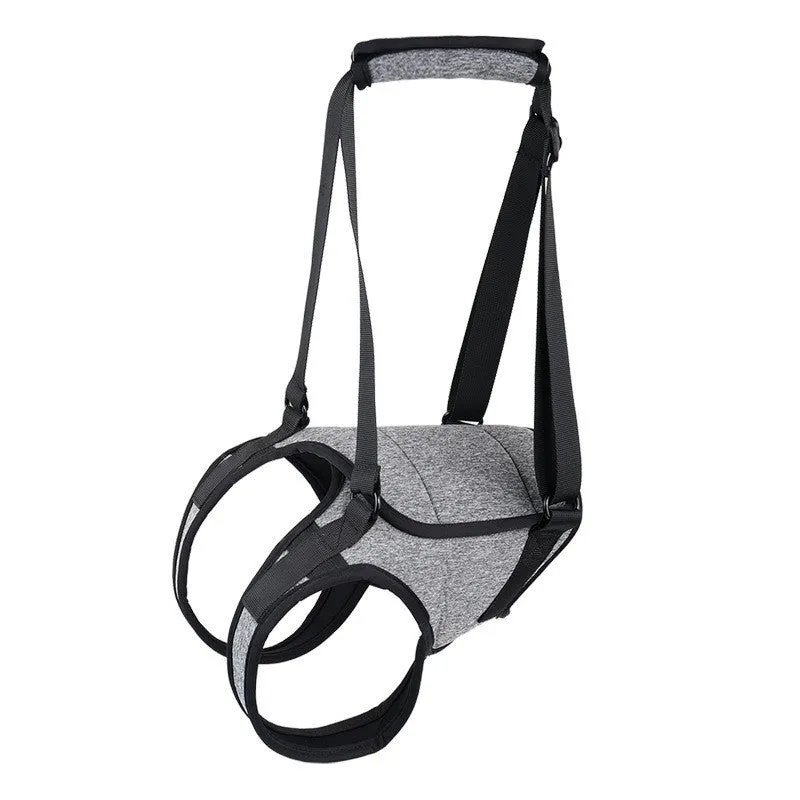
Injured dog rear leg recovery belt with adjustable waist and thigh straps, made from neoprene material for canine mobility support after injury or surgery, in a grey colour option available in sizes S, M, L, XL to fit various dog breeds.


Injured dog rear leg recovery belt with adjustable waist and thigh straps, made from neoprene material for canine mobility support after injury or surgery, in a grey colour option available in sizes S, M, L, XL to fit various dog breeds.
Neoprene Dog Rear Leg Recovery Belt with Adjustable Waist and Thigh Support in Four Sizes

This recovery belt provides essential auxiliary support for dogs experiencing mobility issues with their rear legs, whether due to injury, surgery recovery, or age-related weakness. Designed as a cross-border hot-selling pet supply, it offers pet owners a practical solution to help stabilise their dog's movement during the healing process. The belt's construction focuses on providing secure support without restricting natural motion, allowing dogs to maintain some mobility while protected from further strain. Available in a neutral grey colour, it suits various dog breeds and coat colours, making it a versatile addition to any pet first aid or recovery kit. The product addresses the specific need for rear leg support, distinguishing it from general harnesses or front support devices.
Features and Construction
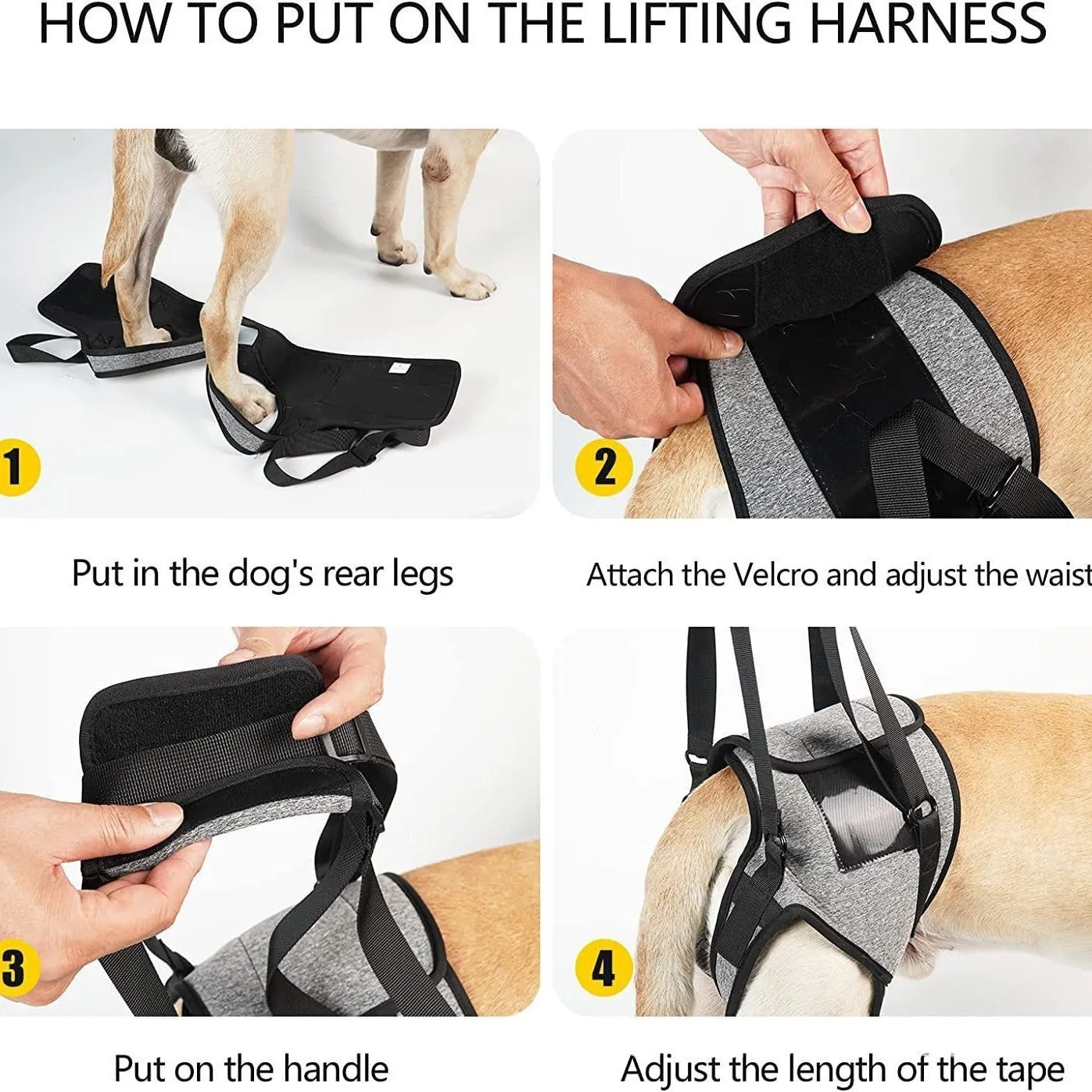
The recovery belt is built with specific features to address canine rear leg support requirements, focusing on both security and comfort during use.
Material and Build
Constructed entirely from neoprene, this recovery belt benefits from this material's inherent properties for pet support applications. Neoprene provides flexibility that moves with the dog's body while offering sufficient resistance to support weakened limbs. The material's smooth surface helps prevent irritation against the dog's skin and fur when properly fitted, and its durable nature withstands regular use during recovery periods. Unlike rigid braces, the neoprene construction allows for natural flexion while providing stabilising resistance, particularly useful for dogs recovering from soft tissue injuries or post-operative procedures where some movement is encouraged.
Size and Practical Fit
The belt is available in four distinct sizes to accommodate dogs of varying builds: S (small), M (medium), L (large), and XL (extra large). Each size specifies both waist and thigh circumference ranges, allowing for precise selection based on your dog's measurements. The S size fits waist measurements of 40-46cm with a 24cm thigh circumference, progressing through to the XL size for waist measurements of 62-76cm and a 40cm thigh circumference. This sizing system helps ensure the belt can be appropriately matched to different dog breeds and body types, from smaller terriers to larger retrievers or shepherds. Both the waist and thigh sections feature adjustable straps, enabling fine-tuning within each size range for optimal comfort and support.
Uses and Placement

The recovery belt serves specific purposes in canine care, primarily focused on rehabilitation and mobility assistance scenarios.
Event or Professional Use
While designed primarily for home recovery use, this belt could support veterinary or rehabilitation professional recommendations for post-operative care. Following procedures like cruciate ligament surgery, hip surgery, or fracture repair, controlled mobility is often prescribed during healing phases. The belt provides auxiliary support that complements professional treatment plans, allowing dogs to begin weight-bearing exercises under supervision without risking re-injury. For sporting or working dogs recovering from strain injuries, the belt offers stabilisation during controlled exercise reintroduction. Its adjustable nature permits professionals to set appropriate tension levels based on individual recovery stages and specific injury considerations.
Everyday Home Use
For home recovery situations, this belt assists pet owners in managing their dog's mobility during healing periods. Dogs recovering from rear leg injuries often struggle with stability when rising, walking, or navigating household surfaces. The belt provides external support that reduces strain on affected limbs, making movement less painful and preventing compensatory injuries to other legs. Elderly dogs with weakening rear legs can benefit from the additional stability during short walks or when navigating stairs. The simple design means most pet owners can fit and adjust the belt without specialised knowledge, making it suitable for ongoing home care between veterinary visits. The neutral grey colour blends with various dog coat colours, maintaining a discreet appearance during everyday use.
Benefits and Buying Value
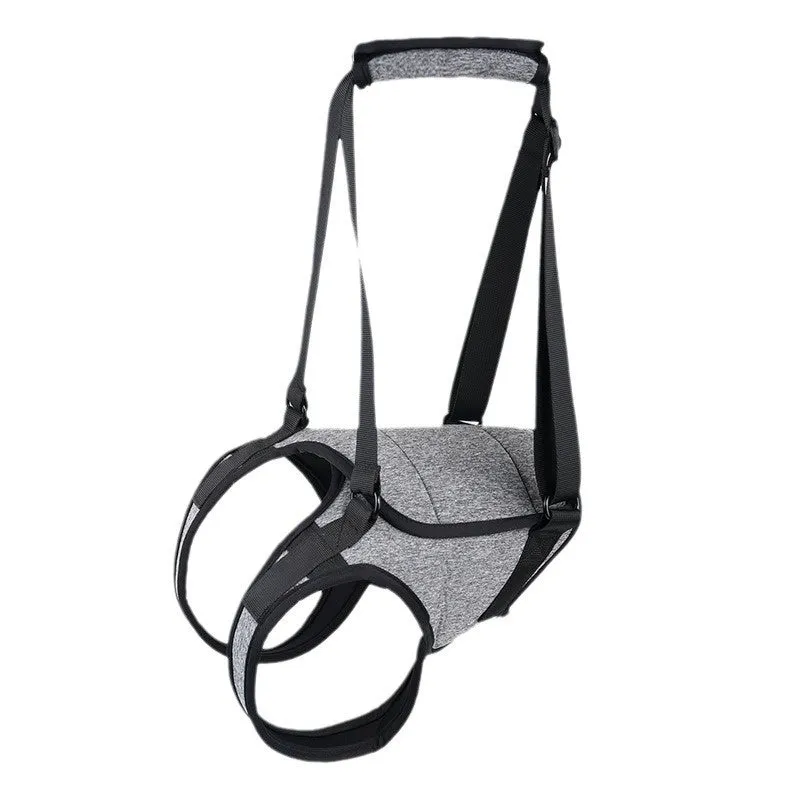
This recovery belt offers practical advantages for both the dog's comfort and the owner's convenience during recovery periods.
Reuse and Low Maintenance
The neoprene construction supports multiple uses across different recovery periods or for different pets. Unlike disposable bandages or single-use supports, this belt can be cleaned and stored for future needs. The material withstands regular washing with mild pet-safe detergents, maintaining its supportive properties through multiple recovery cycles. For dogs with chronic conditions requiring intermittent support, the belt offers a reusable solution that provides consistent assistance when needed. The adjustable sizing means the same belt can accommodate slight weight changes throughout recovery, extending its useful lifespan. Properly maintained, the belt remains available for future minor injuries or as preventative support during strenuous activities for previously injured dogs.
Why Choose This Product
This recovery belt addresses the specific requirement for rear leg support with features tailored to canine anatomy and recovery needs. The separate waist and thigh adjustment points recognise that dogs' body proportions vary significantly between breeds and individuals, allowing for customised fitting that generic supports cannot achieve. The four-size system with specific measurement ranges helps owners select the most appropriate option for their dog's build rather than guessing between vague size descriptions. As a complete package containing one recovery belt, it provides everything needed to begin supporting your dog's mobility immediately. The focus on rear leg support distinguishes it from general harnesses or front-support devices, making it particularly effective for hindquarter weakness or injury recovery scenarios common in many dog breeds.